

Cart
Subtotal: Rp.2.000.000
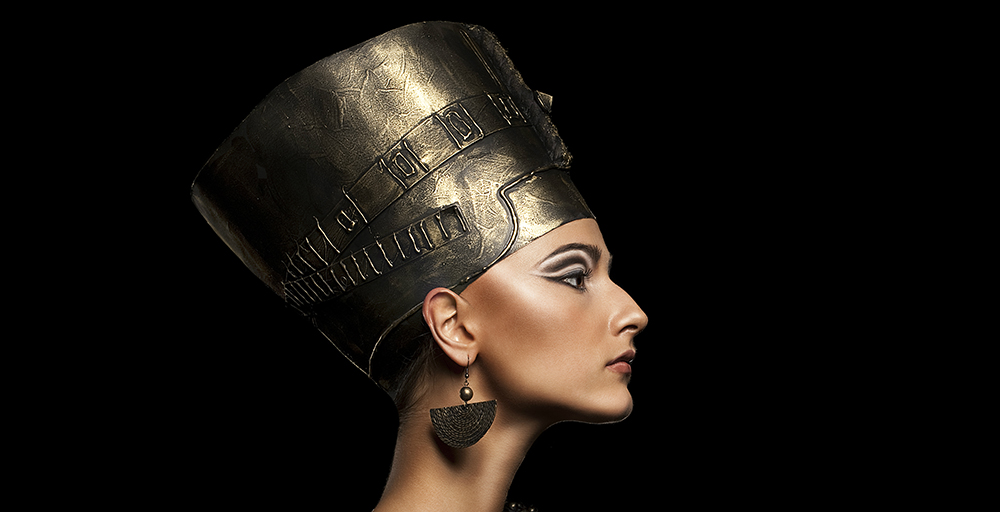
Below is a streamlined history of cosmetics—from 10,000 BCE to modern industry and regulation, especially in the United States.
Cosmetics in the Ancient World (10,000 BCE–1000 BCE)
10,000 BCE — Ancient Egypt: Beauty, Hygiene, and Sun Protection
Ancient Egyptians used scented oils and ointments to cleanse, soften skin, reduce body odor, and protect against the harsh sun and dry winds. Common ingredients included plant oils and botanicals like aloe, olive oil, sesame oil, almond oil, and aromatic herbs.
4,000 BCE — Iconic Egyptian Eye and Face Makeup
Egyptians used ingredients such as galena, malachite, and kohl to add definition to the eyes and face—often shaping eyeliner into the famous almond-eye look.
3,000 BCE — China: Nail Color as Social Status
In China, stained nails signaled class. Royals wore certain colors like gold or silver, while lower classes were restricted—beauty wasn’t just style, it was social code.
Ancient Greece: Pale Skin and Rouge
Grecian women used pale face mixtures and natural rouge made from berries. Beauty standards already reflected trends where lighter skin was often linked to higher social status.
1,500–1,000 BCE — Rice Powder, Henna, and Early Lip Color
In parts of Asia, rice powder was used to whiten the face, while henna dyed hair and skin. Early forms of lip color and face powders also appeared across the Mediterranean.
Cosmetics in the Early Common Era (100–400 CE)
100 CE — Ancient Rome: Early Skincare and Grooming
Romans experimented with mixtures for skin concerns and nail coloring. Cosmetics and grooming became more widespread, including hair-dye trends.
300–400 CE — India and North Africa: Henna Culture
Henna was used as both a hair dye and for ceremonial body art (mehndi), especially around weddings—beauty as tradition and identity.
Middle Ages to Renaissance (1200–1600)
1200s — Perfumes Enter Europe
Perfumes were imported to Europe from the Middle East through trade and the Crusades, shaping Europe’s future fragrance culture.
1400–1600 — The Dangerous Era of “Pale Skin”
Cosmetics manufacturing grew in Europe, but some beauty trends were risky—lead and arsenic were used in face powders. In Elizabethan England, extremely pale complexions became fashionable, despite the health risks.
1800–1900: Safer Ingredients and the Rise of Modern Beauty
1800 — Zinc Oxide Replaces Toxic Face Powders
Zinc oxide became widely used as a facial powder as people moved away from lead-based mixtures that were later linked to serious health issues.
Late 1800s–Early 1900s — Beauty Becomes an Industry
Cosmetics use increased, beauty salons rose in popularity, and makeup began moving from something “hidden” to more mainstream—although social stigma still existed in many places.
Major Cosmetics Industry Developments in the United States (1886–2000s)
1886–1920s — Mass Marketing and Modern Makeup Begins
In 1886, the California Perfume Company (later known as Avon) began its growth. In 1915, Maybelline mascara was created. In the 1920s, the flapper look popularized bolder makeup trends like red lipstick, dark eyes, and nail polish. Around the same era, Max Factor helped popularize the term “makeup” and made film-inspired beauty looks more accessible to everyday consumers.
1930s — Hollywood Beauty, Sunscreen, and Stronger Regulation
Hollywood influenced beauty trends heavily, including the “tan” look. Early sunscreen concepts also appeared. In 1938, the Federal Food, Drug, and Cosmetic Act expanded FDA authority over cosmetics after serious safety incidents raised concerns.
1950s–1970s — Advertising, Labeling, and Ingredient Standards
Television advertising accelerated beauty industry growth. Regulation and standardization also expanded, including more detailed labeling expectations and uniform ingredient naming systems (such as INCI) to support consumer understanding and safety.
1980s–2000s — Safety, Animal Testing Debates, and Global Rules
Late 20th century beauty saw rising concerns about product contamination and stronger consumer attention to safety. Animal testing became a major issue in the industry, and global regulations evolved—especially with European restrictions that influenced worldwide practices.
What This History Means Today
Modern beauty is shaped by two major shifts: performance and convenience (faster routines, smarter packaging), and transparency and safety (ingredient awareness, ethical standards, better regulation). That’s why today’s consumers care about claims like cruelty-free, paraben-free, and phthalate-free—beauty isn’t just about how it looks anymore, but also what it stands for.

Join Our Mailing List